Soft Bubble: A Playful Font for Creative Branding
I recently had the chance to test Soft Bubble for a small café project, and it quickly became one of my favorite fonts to work with. The moment I first saw it on my screen, I knew it had potential—not just as a decorative element, but as a versatile tool that could bring warmth and charm to a brand’s visual identity.
A Font That Feels Like a Dream
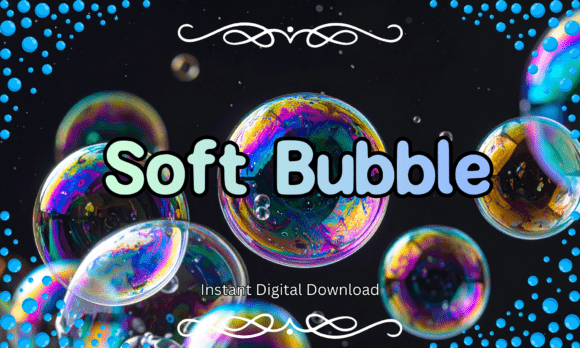
Soft Bubble is a sans serif display font with a rounded, bubbly aesthetic that feels like it was inspired by dreamy soap bubbles and playful lettering. Its curves are gentle, almost like they’re floating in midair, and it carries a sense of whimsy that makes it stand out from more rigid or formal typefaces. It’s not just cute—it’s approachable, friendly, and full of character.
When I first placed it on my brand board for the café, I was immediately drawn to how it looked on a logo draft. It added a soft, inviting feel that aligned perfectly with the café’s vibe—casual, welcoming, and a little bit magical. I started experimenting with different weights and styles, and each time, the font maintained its charm without losing readability.
Testing Soft Bubble in Real Design Work
As I moved into creating mockups for the café’s branding, I used Soft Bubble for headlines, signage, and even social media graphics. One of the first things I noticed was how well it worked in short-form text. Whether it was a tagline on a menu or a call-to-action on an Instagram post, the font made the words feel light and engaging.
However, I also considered its limitations. Since it’s a display font, it’s best suited for headlines rather than body text. I paired it with a clean, modern sans serif font for the rest of the design system, which helped balance the playful energy of Soft Bubble with a sense of professionalism.
Another thing I tested was how it looked in different contexts. On a business card, it felt charming but slightly too soft. I adjusted by using a bolder weight for the main text and a lighter version for accents. On packaging, it worked beautifully—especially when printed on glossy paper, where the rounded edges really stood out.
How Soft Bubble Enhances Brand Perception
Using Soft Bubble in the café’s branding gave the space a distinct personality. It communicated warmth and creativity, which aligned with the café’s mission to be a cozy, community-driven spot. The font’s playful nature encouraged people to engage with the brand on a personal level, making it feel less corporate and more relatable.
It also helped create consistency across all materials. From the website header to the posters and flyers, Soft Bubble was used in a way that reinforced the brand’s identity without overwhelming the viewer. This consistency is crucial for building recognition and trust with customers.
Practical Tips for Using Soft Bubble
If you're considering using Soft Bubble in your next project, here are a few tips to keep in mind:
- Test it early—don’t wait until the final stages of a project to try it out. Use it in mockups and see how it looks in different sizes and contexts.
- Pair it wisely—Soft Bubble works best with a contrasting, more structured font for body text. I found that pairing it with a modern sans serif like Montserrat or Lato created a nice balance.
- Check file formats—make sure you have access to the necessary styles and weights. Some fonts offer ligatures or alternates that can add extra flair to your designs.
- Consider licensing—if you’re working on a commercial project, always confirm the font’s licensing terms to ensure you’re using it correctly.
Soft Bubble isn’t just a pretty face—it’s a font that adds personality and emotion to a brand. It’s especially useful for projects that require a touch of playfulness, like kids’ brands, stickers, birthday designs, or creative packaging. But it’s also adaptable enough to work in more serious contexts when used appropriately.
Final Thoughts on Soft Bubble
Working with Soft Bubble has been a refreshing experience. It reminded me that typography isn’t just about readability—it’s about storytelling and emotional connection. Whether you’re designing for a café, a skincare brand, or a handmade shop, this font has the potential to make your brand feel more authentic and memorable.
As I continue to explore its applications, I’m excited to see how Soft Bubble can evolve in my design toolkit. It’s a great reminder that sometimes, the most impactful fonts are the ones that feel like they were made just for your project.